
























It’s a thought that often appears quietly, almost unnoticed.
The festivals are over.
Birthdays and big dates are done.
Life has slipped back into its regular rhythm.
And then you pause and wonder—do flowers still feel meaningful now? Or do they lose something once there’s no occasion attached?
If you’ve hesitated to send flowers because “there’s no reason”, this hesitation isn’t unusual. It doesn’t mean you care less. It means you’re thoughtful about how your gesture might land.
The truth is, flowers don’t lose their meaning after festivals. They change the way they’re received.
Why We Rely on Occasions in the First Place
Occasions make decisions easier.
They remove doubt.
They tell us when it’s acceptable to reach out.
They give our gestures a clear structure.
So naturally, many of us grow used to expressing care only when the calendar tells us to. Over time, flowers begin to feel tied to dates instead of feelings.
But care doesn’t actually work on a schedule.
What often holds people back after festivals isn’t lack of emotion—it’s uncertainty. A quiet question forms: Will this feel unnecessary? Will it seem out of place?
That doubt is understandable. But it’s also where something important gets missed.
What Changes When There’s No Occasion
During festivals, everything is louder.
Messages arrive in groups.
Gifts overlap.
Attention is shared among many moments.
After festivals, things slow down. Communication thins out. Ordinary days return.
And on ordinary days, gestures don’t compete with anything.
Flowers sent during busy, celebratory times are appreciated—but flowers sent during calm moments are noticed. They don’t blend into the background. They stand on their own.
Instead of being part of a tradition, they feel like a choice.
“Won’t It Feel Random?” — Let’s Address That Honestly
This is the most common worry.
Flowers don’t feel random because there’s no occasion. They feel random only when there’s no emotional context.
That context doesn’t need explanation or justification. It often needs just a single line:
- “Saw these and thought of you.”
- “No occasion—just wanted to send something warm.”
- “This felt right today.”
These aren’t reasons. They’re reassurance.
They gently tell the recipient why the flowers arrived—and that’s enough to anchor the gesture.
Once framed this way, flowers rarely feel confusing. They feel intentional.
Why Flowers Often Feel More Personal After Festivals

When flowers arrive without expectation, they’re linked directly to the sender.
There’s no shared celebration to dilute the moment.
No group message to soften the impact.
No assumption attached to the date.
The recipient isn’t reacting to a date on the calendar.
They think, “They thought of me today.”
That distinction matters.
After festivals, flowers become less about marking an event and more about acknowledging a person.
Choosing Flowers That Fit Everyday Moments
One reason people hesitate outside celebrations is fear of choosing something that feels “too much.”
This is where familiar, uncomplicated flowers work best.
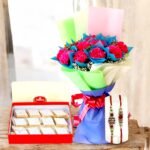
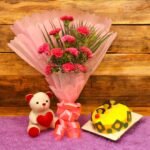
Roses don’t require explanation. Their meaning isn’t tied to a single event. They feel steady and emotionally clear.
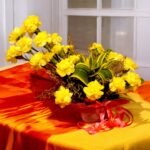
Mixed flowers feel equally comfortable. They don’t announce symbolism. They don’t demand interpretation. They feel natural—like they belong in daily life rather than a ceremony.
Outside festivals, flowers that feel relaxed rather than dramatic tend to be received most easily.
Do Flowers Lose Value If Given More Often?
This is another quiet concern people carry.
If flowers show up outside special occasions, will they stop feeling special?
What actually dulls a gesture isn’t frequency—it’s predictability.
When every gesture follows the same pattern, it can start feeling routine. But when gestures appear at different emotional moments, they don’t lose meaning. They build familiarity and trust.
Care expressed only on big days feels formal.
Care expressed at unexpected times feels ongoing.
What Stays With People After the Flowers Fade
The flowers people remember most aren’t always tied to celebrations.
They’re often the ones that arrived:
- During a difficult week
- On a quiet weekday
- When support was needed but not asked for
These gestures don’t rely on scale or symbolism. They rely on timing.
Flowers sent after festivals tend to linger emotionally because they arrive when attention isn’t divided.
When Flowers Might Not Be Right
Being thoughtful also means knowing when not to send anything.
Flowers may not fit when:
- Someone has clearly asked for space
- The timing could feel intrusive
- The relationship is uncertain or strained
Care isn’t about always acting—it’s about responding wisely.
But in most everyday relationships, flowers sent gently and without pressure are rarely misunderstood.
The Shift That’s Happening Quietly
More people are beginning to move away from occasion-based gestures.
Instead of asking, “What’s the next date?”
They’re asking, “What does this moment need?”
In that shift, flowers don’t become less meaningful. They become more flexible.
They stop being symbols of celebration and return to their simplest role—connection.
The Truth, Without Overthinking It
Flowers don’t feel less special after festivals.
They feel quieter.
More deliberate.
More human.
Without an occasion to do the talking, intention becomes clearer.
Final Thought
If you’ve been waiting for the right day to send flowers, it may be worth asking yourself something else:
What if the absence of an occasion is what makes the gesture meaningful?
Because when flowers arrive without obligation, they don’t feel smaller.
They feel real.