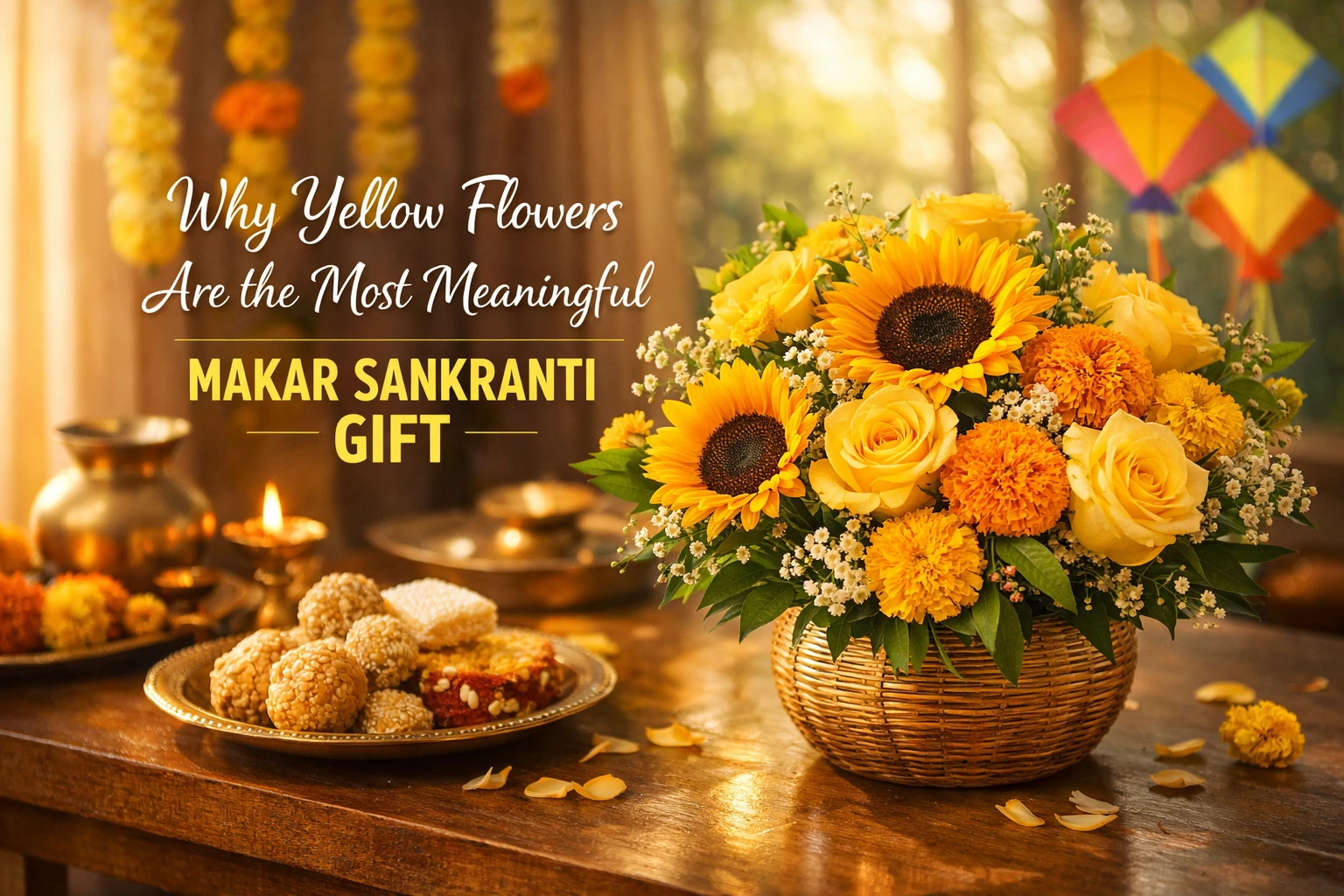

There are conversations you know you should have—but don’t.
Not because you don’t care.
Often, it’s the opposite.
You care enough to hesitate. Enough to wonder if saying the wrong thing might do more harm than saying nothing at all.
So you pause.
And sometimes, instead of words, you choose a gift.
That choice isn’t accidental. Even when it feels instinctive, it usually reflects what you’re trying to express without opening everything up.
When Silence Isn’t Distance—It’s Caution

Avoiding a difficult conversation is often misunderstood as avoidance, indifference, or emotional distance.
But more often, it’s about timing.
You’re waiting for:
- The right moment
- The right emotional state
- The right words
Until then, silence can feel heavy. And doing nothing can feel worse.
That’s when a gift becomes a bridge—not to fix things, but to hold space.
The kind of gift you choose quietly communicates what you’re ready to say—and what you aren’t.
When You Gravitate Toward Flower Bouquets
When people send flowers during emotionally tricky moments, it’s rarely about making a statement.
It’s about acknowledgment without explanation.
Flower bouquets are often chosen when:
- You don’t want to start a conversation, but you don’t want to disappear either.
- You want to soften the moment without steering it.
- You want to say “I remember you” without reopening everything.
Flowers don’t come with instructions. They don’t demand closure or clarity. They simply show up—and let the receiver feel what they need to feel.
Choosing flowers during an unspoken phase often means:
“I’m present. I’m careful. I’m not ready to talk—but I’m not indifferent.”
Emotional restraint is more thoughtful than it appears.
Why Chocolate Bouquets Feel Easier
Chocolate bouquets tend to appear when emotions feel tangled.
There may be affection, fondness, warmth—but also uncertainty.
People choose chocolate when:
- They want to lighten the mood.
- They fear getting too serious too quickly.
- They want to offer comfort without emotional depth.
Chocolate carries a gentle, everyday warmth. It’s familiar. Low-risk. Comforting.
Choosing chocolate often says:
“I don’t know how to talk about this yet—but I still want to bring you a moment of ease.”
It’s less about symbolism and more about care in its simplest form.
When a Cake Feels Safer Than a Conversation
Cakes carry a different kind of message.
They’re celebratory by nature—even when the moment isn’t.
Choosing a cake while avoiding a conversation often means:
- You want to acknowledge a milestone without addressing the underlying tension.
- You want to show affection, but not vulnerability.
- You’d rather mark the moment than dissect it.
Heart-shaped cakes add another quiet layer. They’re expressive, but indirect.
They say:
“This matters to me.”
Not “Let’s talk about why.”
Cakes are often chosen when emotions are real, but boundaries still exist.
The Psychology Behind These Choices
What makes these gifts powerful isn’t what they represent universally, but what they avoid.
They avoid:
- Long explanations
- Emotional negotiations
- Being misunderstood
Instead, they lean into shared understanding.
When someone receives a gift during an emotionally complex moment, they often understand the restraint behind it. They sense the care, not the avoidance.
That mutual understanding is subtle—but deeply human.
Why This Resonates So Strongly Today
Modern relationships—romantic, familial, even professional—are full of emotional nuance.
People are more emotionally aware than ever, but also more cautious.
We want to be kind without being intrusive. Honest without being overwhelming. Present without escalating things too quickly.
Gifting fits perfectly into that space.
It allows people to:
- Act without overcommitting
- Express care without forcing clarity.
- Stay connected without reopening wounds.
That’s why these gestures feel so relatable—and why people see themselves in them.
Thoughtfulness Isn’t Always Loud
One of the biggest myths around emotional maturity is that it requires constant communication.
Sometimes, maturity looks like restraint.
Choosing a gift instead of a conversation doesn’t mean you’re avoiding responsibility. It can mean you’re respecting timing—yours and theirs.
What matters is intent:
- Is the gift meant to pressure?
- Or is it meant to comfort?
When the intent is care without expectation, the gesture has a different impact.
You’re Not Wrong for Choosing Quiet
If you’ve ever worried that sending a gift instead of talking makes you look unsure or emotionally distant—pause.
It often means you’re emotionally aware.
You recognize that conversations have weight. That people carry things differently. That timing matters.
A thoughtful gift can say:
“I’m not ready yet, but I haven’t forgotten.”
“This still matters, even if it’s complicated.”
That honesty, even unspoken, is rare.
When You’re Ready, Words Can Follow
Gifts don’t replace conversations forever.
They simply create space until the right one arrives.
Sometimes, flowers come before words.
Sometimes, chocolates soften what’s coming next.
Sometimes, a cake marks its presence before clarity.
None of these choices is weak. They’re considered.
And often, they say more about emotional intelligence than words ever could.