
Not every message needs an occasion.
Sometimes you don’t want to celebrate.
You don’t want to congratulate.
You don’t even want to check in with questions.
You want to say, “I’m thinking of you.”
That’s where flowers do something words often can’t. They arrive quietly. They don’t expect a reply. They don’t ask the recipient to explain how they’re feeling. They simply let them know they’re not alone in that moment.
But choosing the right flowers for a “thinking of you” gesture matters more than people realise. The wrong choice can feel overdone. The right one feels natural, comforting, and easy to receive.
This guide helps you decide which flowers to send, when, and why, so your gesture lands exactly as intended.
What “Thinking of You” Really Means (and Why Flowers Fit)
A “thinking of you” message usually lives in a quiet emotional space. It might be sent when:
- Someone is going through a difficult patch
- Someone feels distant but still important to you
- You haven’t spoken in a while, but care remains
- You want to show presence without pressure
This is everyday gifting, not event gifting. There’s no script. No rulebook.
Flowers work here because they:
- Don’t demand attention
- Don’t require explanation
- Feel thoughtful without being intrusive
But not all flowers communicate this equally well.
1. White Roses — When You Want Simplicity and Calm
White roses are often misunderstood as formal or reserved. In reality, they’re among the most comforting flowers to receive when emotions are uncertain.
They work beautifully when:
- Words feel insufficient
- The situation calls for gentleness
- You want to convey quiet care
White roses don’t overpower a space. They bring balance. They signal respect and presence without drama.
Best for:
- Someone under stress
- A friend navigating a tough phase
- A thoughtful, non-verbal check-in
2. Carnations — When You Want Warmth Without Intensity
Carnations are underrated for everyday gifting—and that’s precisely their strength.


They last long.
They feel familiar.
They carry warmth without urgency.
Soft pink or peach carnations are ideal when:
- You want the message to feel friendly, not heavy
- The relationship is steady and long-term
- You’re reaching out after a gap
Carnations feel like a quiet thought, not a call for attention.
3. Lilies — When You Want to Offer Support
Lilies have a grounding presence. They stand tall, open slowly, and gradually fill the room.
They’re a good choice when:


- Someone is quietly struggling
- You want to show emotional support
- The message is about strength and reassurance
Choose lighter shades—white, soft yellow, or pale pink—when your intent is comfort, not formality.
Lilies communicate patience. And mostly, that’s what the moment demands.
4. Mixed Seasonal Bouquets — When You Want a Natural Feel
If you’re unsure which single flower suits the situation, a seasonal mixed bouquet is often the safest and most thoughtful choice.
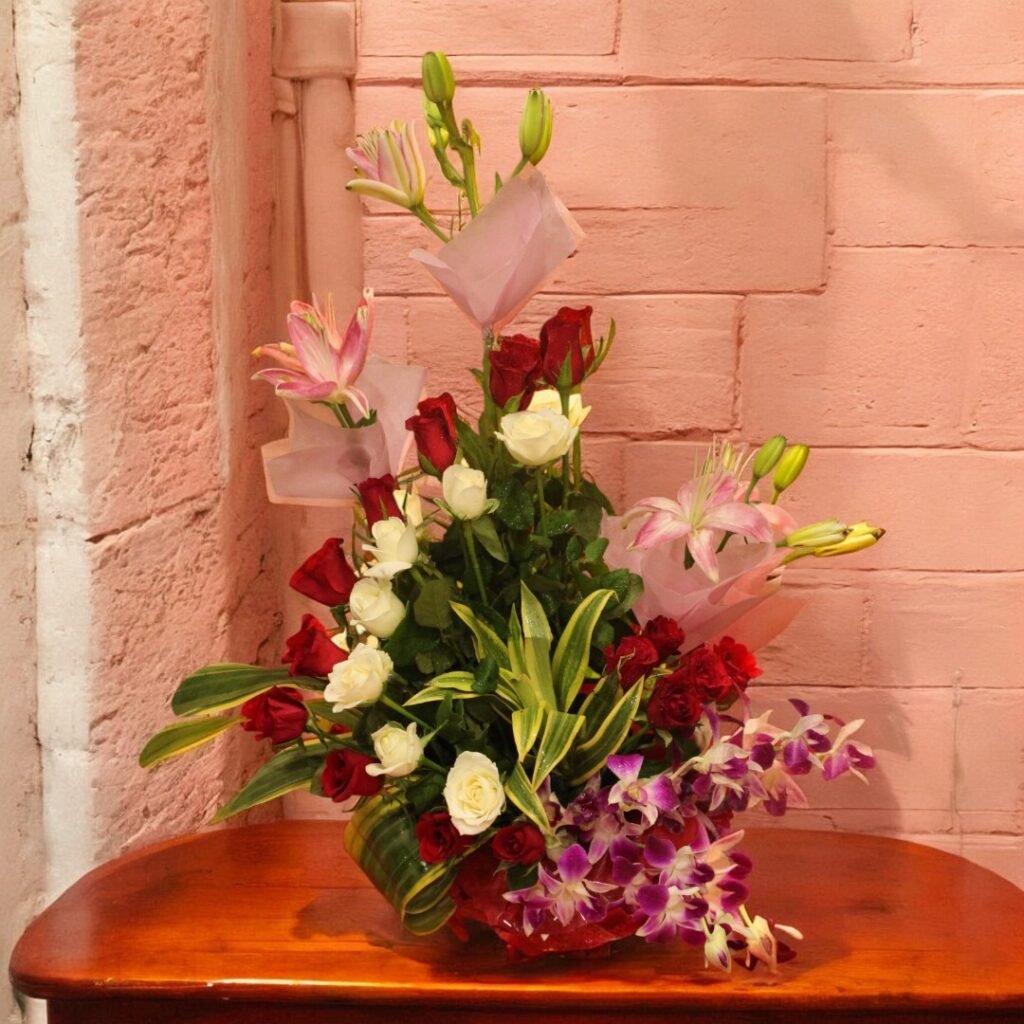

Seasonal arrangements feel:
- Timely
- Fresh
- Unforced
They work well when:
- You don’t want symbolism to overpower the gesture
- The relationship is layered or evolving
- You want the flowers to feel “everyday beautiful.”
This is one of the most popular choices for everyday gifting because it doesn’t ask the recipient to interpret anything deeply. It simply adds warmth to their space.
5. Yellow Flowers — When You Want Lightness
Yellow flowers are about reassurance and quiet optimism. They’re ideal when you want the message to feel uplifting without being celebratory.

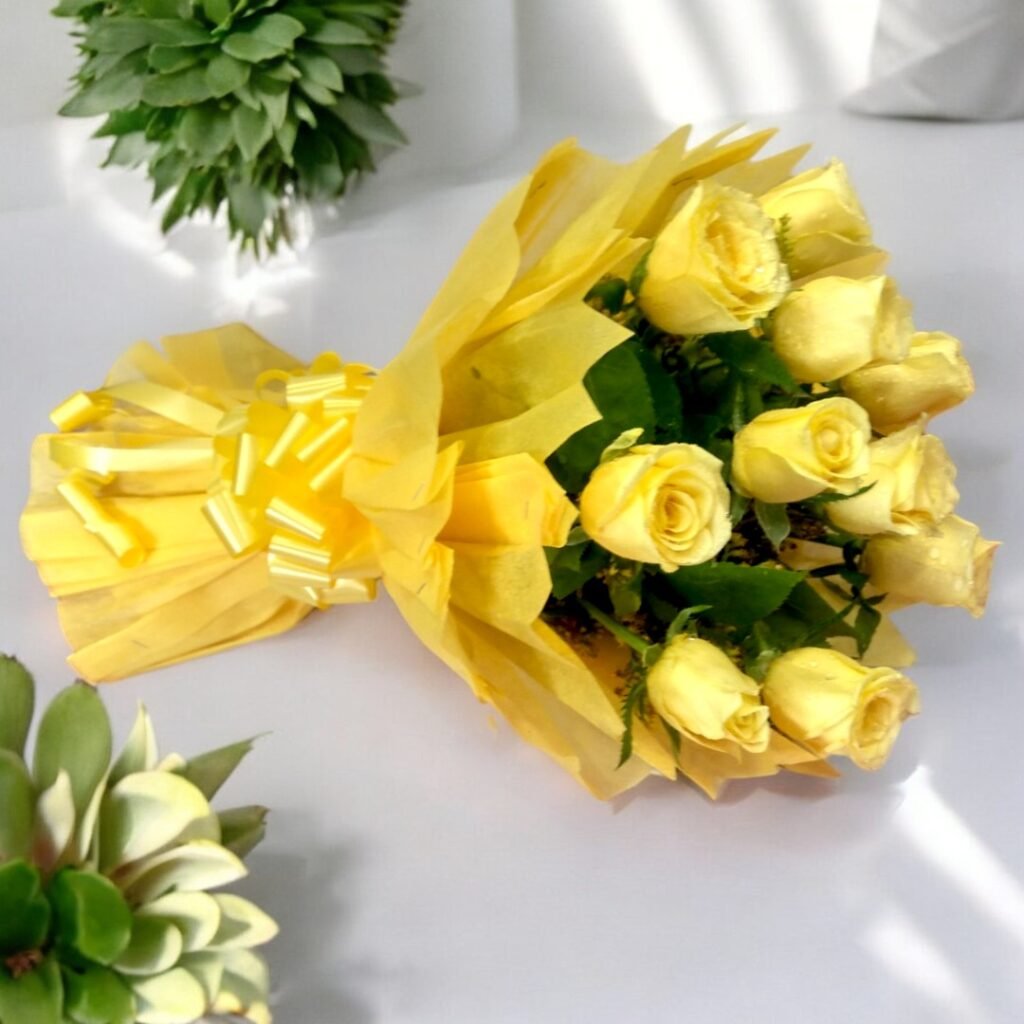
They work well for:
- Friends who feel low
- Someone adjusting to change
- Moments that need brightness, not cheerleading
Avoid overly bold combinations. Soft yellow blooms paired with whites or greens keep the gesture gentle.
When to Send “Thinking of You” Flowers (Timing Matters)
One of the most overlooked aspects of everyday gifting is timing.
These flowers are best sent:
- On a regular weekday
- Outside major events or festivals
- Without prior notice
Random timing reinforces sincerity. It tells the recipient the gesture came from thought, not obligation.
Avoid sending during:
- Major celebrations (it can get lost)
- High-emotion moments, unless intentional
Sometimes, a calm Tuesday delivers more impact than a busy weekend.
What to Say on the Note (Keep It Simple)
The message matters—but only if it stays short.
Good examples:
- “Just thinking of you today.”
- “No occasion. Just wanted you to know you’re on my mind.”
- “Sending this with quiet good wishes.”
Avoid:
- Long explanations
- Advice
- Questions that require a response
The goal is presence, not conversation.
Why Flowers Work Better Than Messages Alone
Digital messages are easy to send—and easy to forget.
Flowers:
- Stay visible for days
- Change the mood of a room
- Become part of the recipient’s daily space
They turn a fleeting thought into something tangible.
This is why flowers remain one of the most effective forms of everyday gifting. They don’t interrupt life; they become part of it.
Everyday Gifting: Making Thoughtfulness a Habit
“Thinking of you” flowers are not about scale or cost. They’re about consistency.
When flowers are used only for big moments, they lose their softness. When they’re used for everyday gestures, they gain meaning.
This shift—from event-based gifting to everyday thoughtfulness—is where modern gifting is headed.
And flowers sit at the centre of that change.
A Gentle Reminder Before You Choose
Before finalising your bouquet, ask yourself:
- Does this feel easy to receive?
- Does it suit the emotional moment?
- Does it leave space, not pressure?
If the answer is yes, you’ve chosen well.
Final Thought
It’s not about making things better, but about letting someone feel seen.
It’s about acknowledging presence.
It’s a quiet way of letting someone know they matter.
And when chosen thoughtfully, flowers say that better than anything else ever could.